Ocean light is central to Palm Door’s introduction, alongside VIP suites and coastal calm. A room photograph can suggest that atmosphere, but it leaves much of the stay outside the frame. For a 2026 break, consider how a room works when the curtains close, the bags are open and one guest wants to sleep.
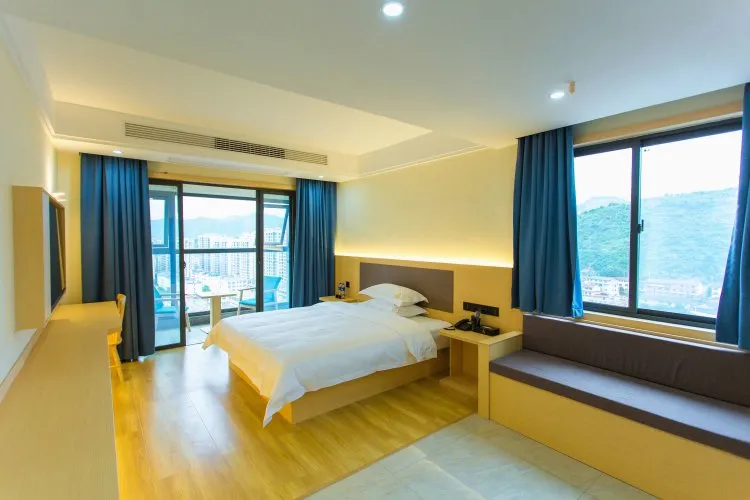
A view description needs a little context
Start by asking which room category a photograph represents. A wide angle may show the best part of a view without explaining what is visible from the bed or chair. Find out whether the image is an example or the particular room offered. Treat a preferred outlook as a question until the booking terms confirm it.
Privacy matters as much as the horizon. A window near a public route may invite different curtain habits from a window above it. Ask whether there are separate daylight and blackout coverings, and whether outside lighting reaches the sleeping area. These are practical questions, not claims about what Palm Door currently supplies.
Keep the questions easy to answer
- Which category does this photograph show?
- Is the view confirmed or subject to allocation?
- What covers the window during daylight and at night?
- Does the window face a public seating or walking area?
The answer may change the value of a room upgrade. Someone who will spend mornings reading by the window may care deeply about the outlook. Someone returning late and leaving early may prefer a quieter position. Room comfort is personal, so compare the room with your likely day rather than with a general luxury label.
Read the space between the furniture
A suite can look generous while offering little clear floor space once luggage is open. Look for the route from the door to the bed and bathroom, somewhere to put a case and a chair that does not block a passage. If a layout matters for access, ask for specific measurements rather than relying on an image.
Two guests can use the same room very differently. One might unpack fully while the other lives from a bag. One may need a reading lamp while the other prefers darkness. Discuss those habits before booking, then ask focused questions about storage, lighting controls and the separation between sleeping and sitting areas.
Keep a short note of essential room comfort requests and distinguish them from preferences. A confirmed feature and a request awaiting allocation are different answers. Reading that distinction before arrival gives you time to ask a useful follow-up.
| Detail | Question to ask |
|---|---|
| Sitting area | Can it be used without lighting the bed? |
| Luggage space | Where can an open case stand? |
| Bathroom route | Does it pass through the sitting area? |
Imagine the room after the evening ends
Live entertainment and a gaming floor are part of the original resort description. Their presence makes room position worth discussing, but it does not establish how any particular room sounds. Ask about nearby lifts, service doors, public terraces and performance spaces. Staff can explain the layout without promising absolute silence.
- Choose the sleep and privacy needs that matter most.
- Ask whether the offered category can meet them.
- Keep confirmed details with the reservation.
- Check essential controls soon after entering the room.
A brief check after arrival gives time to raise a practical concern before bedtime. Try the curtain and lamp controls, find the bathroom light and identify where bags can go. Avoid rearranging heavy furniture to solve an unclear layout. A simple question at reception is usually a better starting point than an improvised solution.
Room choices also depend on the rest of the stay. The arrival article explains why the destination must be confirmed first. The iGaming reading article considers a different kind of careful observation, when leisure moves onto a screen.
Author’s opinion
I would choose clear lighting controls and a restful position before a dramatic photograph. A lovely view adds something to a stay, but room comfort comes from details used repeatedly. Knowing how the room supports sleep, reading and moving around helps me judge whether an upgrade has a purpose.
Author: Rebekah Fern Saltwick. Publisher: Palm Door Window Observations.